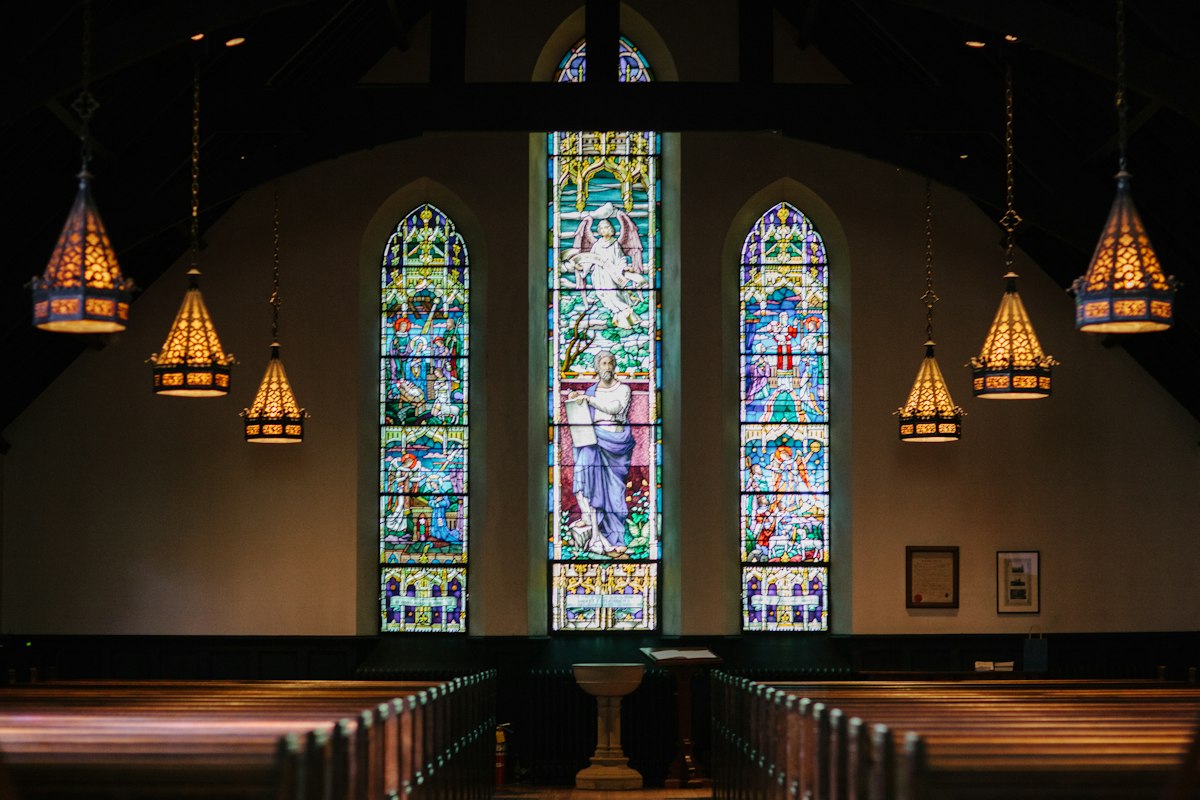
Every church eventually reaches a moment when the vision outgrows the building. Maybe the youth ministry is bursting at the seams, the roof needs replacing, or God is calling your congregation to plant a new campus across town. Whatever the reason, a capital campaign represents one of the most significant seasons in your church's life — and how you communicate during that season makes all the difference.
Effective church capital campaign communication isn't about fundraising tactics borrowed from the corporate world. It's about casting a God-sized vision, inviting your church family into a shared story, and building the kind of trust that turns generous hearts into committed partners. When donor outreach is rooted in transparency, prayer, and genuine relationship, the results go far beyond dollars — they deepen discipleship and unify your congregation around a common mission.
In this guide, we'll walk through practical, faith-centered strategies to help you communicate with clarity, warmth, and purpose throughout every phase of your capital campaign.
---
Why Communication Is the Backbone of Every Successful Campaign
Here's a reality that catches many church leaders off guard: most capital campaigns don't fail because of a lack of generosity. They fail because of a lack of communication.
According to the Evangelical Council for Financial Accountability (ECFA), churches that maintain consistent, multi-channel communication throughout their campaigns raise an average of 20–30% more than those that rely on Sunday announcements alone. That's not a minor difference — for a campaign with a $500,000 goal, that gap represents $100,000 to $150,000.
The reason is simple. People give generously when they:
- Understand the vision clearly and personally
- Trust the leadership stewarding the funds
- Feel connected to the outcome
- See progress along the way
Communication addresses every single one of these needs. Without it, even the most generous congregation will hesitate, not out of selfishness, but out of uncertainty.
---
Start With Vision, Not Numbers

One of the most common mistakes in church capital campaign communication is leading with the price tag. When the first thing people hear is "$2 million building project," their immediate response is anxiety, not excitement.
Instead, start with the why. Paint a vivid picture of the ministry impact this campaign will create. Help your congregation see the families who will be served, the children who will hear the gospel, the community that will be transformed.
Craft a Compelling Vision Statement
Your vision statement should be:
- Brief — no more than two or three sentences
- Emotionally resonant — it should stir the heart, not just inform the mind
- Future-focused — describe what will be, not what's broken
- Biblically grounded — anchor it in Scripture
For example, instead of saying, "We need to raise $1.5 million for a new worship center," try something like:
"God is inviting us to build a place where the next generation will encounter His love — a space where every seat is filled, every voice is heard, and every life is changed. Together, we're building more than a building. We're building a future."
Share this vision statement everywhere — from the pulpit to your email newsletters, from social media to personal conversations. Repetition isn't redundant; it's reinforcing.
---
Build a Multi-Channel Communication Strategy
Your congregation doesn't all consume information the same way. The 70-year-old deacon who reads every church bulletin isn't on Instagram. The young family juggling toddlers might miss three Sundays in a row but checks their email daily. A thoughtful church capital campaign communication plan meets people where they already are.
Here's a practical framework:
- Sunday services — Dedicate time for campaign updates, testimonies, and prayer. This remains your most powerful platform.
- Email newsletters — Send weekly or biweekly updates with progress reports, stories, and specific prayer requests.
- Text/SMS messages — Short, timely updates for milestones ("We just crossed the 50% mark — praise God!").
- Social media — Share behind-the-scenes photos, video testimonies, and countdown graphics.
- Direct mail — For older members or those less connected digitally, a well-designed printed piece still carries significant weight.
- Personal conversations — Nothing replaces a pastor, elder, or campaign team member sitting across the table from a church member and sharing the vision heart-to-heart.
Don't Overlook the Power of Storytelling
Data informs, but stories transform. Throughout your campaign, consistently share real stories from real people in your church community:
- A young couple who found Christ at your church and now want their children to grow up in a thriving ministry
- A volunteer who sees firsthand how overcrowded classrooms limit outreach
- A community member outside the church who would benefit from expanded services
These stories put flesh on the vision. They remind your congregation that this campaign isn't about bricks and mortar — it's about people and purpose.
---
Segment Your Outreach With Pastoral Sensitivity
Not every member of your congregation is in the same place financially, spiritually, or relationally with the church. Wise donor outreach recognizes these differences and communicates accordingly — not to manipulate, but to minister.
Consider these natural segments within your church family:
- Core committed members — Long-time, deeply invested families who may be able to make significant commitments. They deserve personal, one-on-one conversations with pastoral leadership.
- Regular attenders — Engaged but perhaps newer to the community. They need more context, more vision-casting, and more invitation into the story.
- Occasional visitors and newer members — These individuals shouldn't feel pressured. A gentle, informational approach respects where they are in their journey.
- Those facing financial hardship — Be sensitive. Always communicate that prayer and participation matter as much as financial giving. No one should feel excluded or shamed.
Proverbs 27:23 reminds us to "know well the condition of your flocks." Segmented outreach isn't a business tactic — it's shepherding.
---
Maintain Transparency and Build Trust Throughout the Campaign
Trust is the currency of generosity. If your congregation doesn't trust that their gifts are being stewarded well, no amount of communication will move them to give.
Here's how to build and maintain trust:
- Publish a detailed budget — Show exactly where the money is going. Break it down into categories people can understand.
- Provide regular financial updates — Share how much has been pledged, how much has been received, and what percentage of the goal has been reached. Monthly updates at minimum; weekly during peak phases.
- Introduce the team — Let people know who is overseeing the project. Highlight the qualifications and character of contractors, architects, and campaign committee members.
- Address setbacks honestly — Delays, cost overruns, and unexpected challenges are inevitable. When you address them openly, you build more trust than if everything had gone perfectly.
- Celebrate milestones publicly — Every milestone — 25%, 50%, 75%, completion — deserves celebration. This keeps momentum alive and reminds the congregation that their generosity is making a tangible difference.
Research from the Lilly Family School of Philanthropy shows that donors who receive regular, transparent updates are 40% more likely to complete their multi-year pledges. Transparency isn't just the right thing to do — it's effective ministry.
---
Create a Communication Timeline That Matches Your Campaign Phases
A well-structured church capital campaign communication plan follows the natural rhythm of the campaign itself. Here's a sample timeline:
Phase 1: Preparation (3–6 months before launch)
- Form a communication team
- Develop your vision statement and key messaging
- Create branded materials (logo, colors, campaign name)
- Begin "quiet phase" conversations with key leaders and potential lead donors
Phase 2: Launch (weeks 1–4)
- Public vision-casting from the pulpit
- Launch video or testimonial series
- Distribute campaign brochures and commitment cards
- Host a dedication event or banquet
Phase 3: Active Campaign (months 2–6)
- Weekly email updates
- Monthly progress reports from the pulpit
- Ongoing social media content
- Personal follow-up with those who haven't yet responded
Phase 4: Follow-Through (months 7–24+)
- Quarterly pledge fulfillment reminders (gracious, not guilt-driven)
- Construction or project progress updates with photos and video
- Celebration events at key milestones
- Thank-you communications — and then more thank-you communications
The follow-through phase is where most churches drop the ball. Don't let communication go silent after commitment Sunday. The months and years of pledge fulfillment need just as much intentional outreach as the launch.
---
Ground Every Message in Prayer and Scripture
At the end of the day, your capital campaign is a spiritual endeavor. It's an act of faith — for your leadership and for every family that makes a sacrificial commitment.
Ground your communication in that reality. Open every email with a prayer request. Close every update with a Scripture. Remind your congregation that you're not just building something — you're trusting God together for something only He can do.
2 Corinthians 9:7 says, "Each of you should give what you have decided in your heart to give, not reluctantly or under compulsion, for God loves a cheerful giver." Let that verse shape not just what you say, but how you say it.
Your tone should always be:
- Invitational, never pressuring
- Grateful, never entitled
- Hopeful, never anxious
- Honest, never manipulative
When your congregation senses that leadership is walking by faith alongside them — not demanding from above — generosity flows naturally.
---
Moving Forward Together With Confidence
A capital campaign has the potential to be one of the most unifying, faith-building seasons your church has ever experienced — but only if communication is handled with care, consistency, and heart. Strong church capital campaign communication transforms donor outreach from an awkward obligation into a joyful invitation.
Remember: you're not asking people to fund a project. You're inviting them into a story that God is writing through your church community. When that invitation is delivered with clarity, transparency, and genuine love, people respond — not because they have to, but because they want to be part of something bigger than themselves.
If your church is preparing for a capital campaign and you're looking for a communication platform that makes it easier to reach your entire congregation — through email, text, and meaningful engagement tools — Christ Unites was built for exactly this moment. Designed specifically for churches, Christ Unites helps you keep your community informed, connected, and inspired throughout every season of ministry. Visit joinchristunites.com to learn how your church can communicate with greater impact and unity.