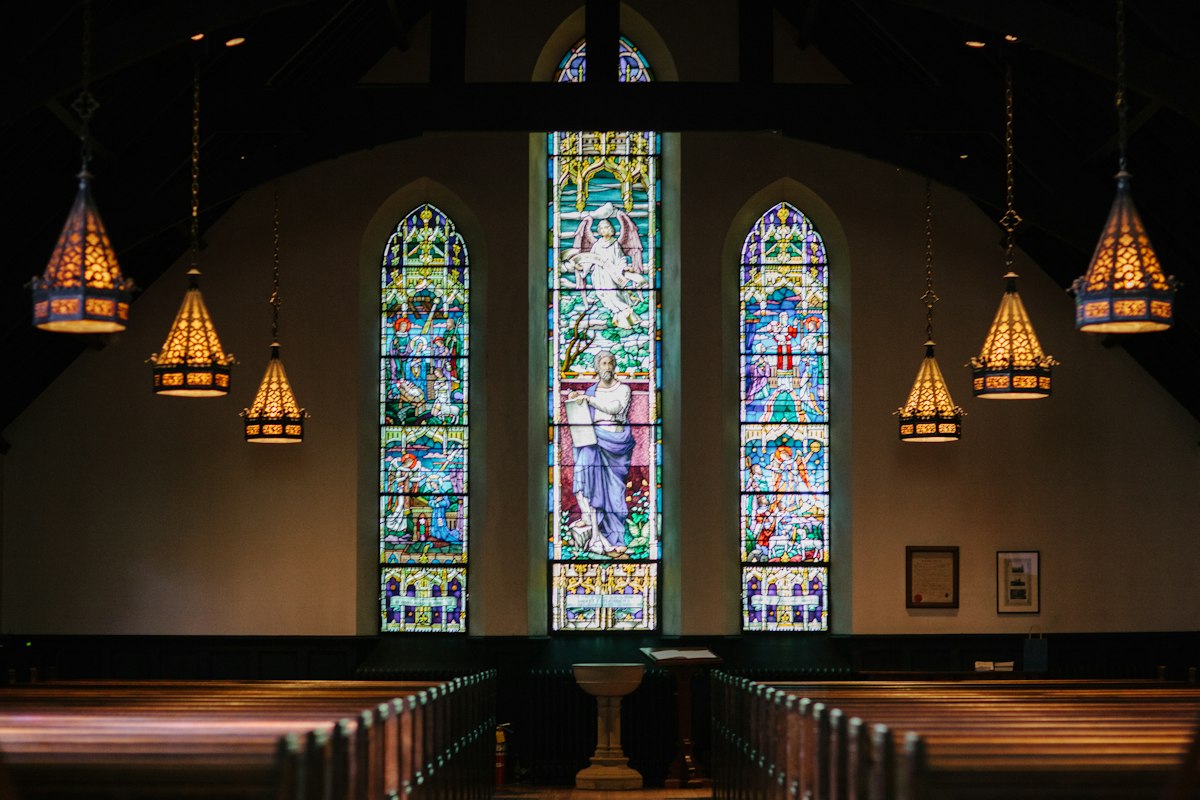
There's a moment in every growing church when the vision God has planted in your leaders' hearts outgrows the building you're meeting in. Maybe the roof is leaking. Maybe you've run out of chairs in every service. Maybe God is calling your congregation to build something entirely new — a community center, a worship space, a missions hub that will serve your neighborhood for generations.
Whatever the vision, here's what every pastor learns quickly: the success of a capital campaign doesn't rest solely on the amount you need to raise. It rests on how well you communicate. A thoughtful church capital campaign communication strategy is the bridge between a God-sized vision and a congregation that's ready to walk toward it together. Without that bridge, even the most exciting building project can stall before it starts.
This guide will walk you through a practical, faith-centered approach to communicating your capital campaign — one that honors your congregation, builds genuine trust, and invites every member into the story God is writing through your church.
---
Why Communication Makes or Breaks a Capital Campaign
Let's be honest: asking people to give sacrificially above and beyond their regular tithes is a significant ask. According to a study by the Evangelical Council for Financial Accountability (ECFA), churches that implement structured communication plans for capital campaigns raise an average of 1.5 to 3 times their annual budget, while churches that rely on occasional announcements often fall far short of their goals.
The difference isn't the size of the congregation or the wealth of its members. The difference is communication.
When people understand the why behind a campaign — when they can see the vision, feel the urgency, and trust the leadership — generosity follows naturally. But when communication is sparse, confusing, or feels transactional, people disengage. They don't give less because they're selfish. They give less because they're uninformed, uncertain, or uninspired.
Your church capital campaign communication plan isn't just a logistics exercise. It's a pastoral act. You're shepherding people through a significant season of faith and generosity.
---
Start With the Story, Not the Number

One of the most common mistakes churches make is leading with the dollar amount. "We need $2.5 million" is a fact, but it's not a story. And people don't rally around facts — they rally around stories.
Before you announce a single number, craft a compelling narrative that answers three questions:
- Where has God brought us? Celebrate your church's journey. Remind people of the lives changed, the ministries born, and the faithfulness God has shown.
- Where is God leading us? Paint a vivid picture of the future. Not just a new building, but what happens inside that building — the families served, the students mentored, the worship offered.
- Why does this matter now? Create appropriate urgency without manufacturing pressure. Help people understand the specific needs and timing.
This story becomes the foundation for every piece of communication you create — from your first sermon series to your final celebration email.
Involve Real Voices From Your Congregation
Don't let the campaign story come only from the pulpit. Some of the most powerful communication happens when everyday members share why this vision matters to them. A single mom talking about how the children's ministry changed her family. A teenager describing what the youth space means to their faith. A longtime member reflecting on decades of God's faithfulness in your church.
These testimonies transform a building project into a deeply personal, communal act of worship.
---
Build a Multi-Channel Communication Timeline
Effective church capital campaign communication doesn't happen in a single Sunday announcement. It unfolds over weeks and months through multiple touchpoints. Here's a practical timeline framework:
Phase 1: Awareness (6-8 weeks before launch)
- Begin a sermon series on generosity, vision, or faith
- Share "sneak peek" content in weekly emails and social media
- Host small group conversations with church leaders
Phase 2: Casting the Vision (2-4 weeks before commitment day)
- Hold a formal campaign launch event or special service
- Distribute printed materials — brochures, FAQ sheets, architectural renderings
- Send a heartfelt letter from your pastor to every household
- Release a campaign video telling your church's story
Phase 3: Engagement (commitment day through the first 30 days)
- Celebrate commitments publicly (totals, not individual amounts)
- Share weekly updates via email, text, and social media
- Continue personal testimonies during services
Phase 4: Momentum (ongoing for 12-36 months)
- Provide quarterly progress reports with photos and milestones
- Host "hard hat" tours or construction updates
- Celebrate giving milestones and answered prayers
The key is consistency without overwhelming people. Every touchpoint should feel like an invitation, never a guilt trip.
---
Use Every Communication Channel Wisely
Your congregation isn't monolithic. A 72-year-old deacon and a 28-year-old young professional consume information very differently. A strong communication strategy meets people where they are.
Digital Channels
- Email remains the most effective digital channel for churches, with an average open rate of 30-40% for church newsletters (significantly higher than the industry average of 21%). Use email for detailed updates, personal letters from leadership, and campaign milestones.
- Text messaging is ideal for brief, timely updates: "We just hit 50% of our goal! Praise God!" Keep texts short, celebratory, and infrequent enough that people don't mute them.
- Social media works best for visual storytelling — renderings, construction photos, video testimonies, and countdown posts.
- Your church website should have a dedicated campaign page with the vision story, FAQ answers, giving options, and progress updates.
In-Person and Print Channels
Don't underestimate the power of tangible communication, especially for older members or those less active online:
- Printed brochures that families can take home and pray over together
- Lobby displays with architectural renderings and a visual thermometer showing progress
- Small group discussions where people can ask questions in a safe, intimate setting
- Personal visits from pastors or campaign leaders for your most invested members
The most effective church capital campaign communication strategies layer these channels together so that the same core message reaches every member multiple times through their preferred medium.
---
Address Concerns With Transparency and Grace
Every capital campaign surfaces legitimate questions and concerns from the congregation. Faithful communication doesn't avoid these — it welcomes them.
Common questions you should proactively address:
- "How was this amount determined?" Share the process. Did you get multiple bids? Did a building committee review options? Transparency builds trust.
- "What happens if we don't reach the goal?" Have a clear, honest answer. Will you build in phases? Extend the timeline? People need to know there's a responsible plan.
- "Will this affect our missions and ministry budget?" Many members worry that a building campaign will drain resources from the ministries they love. Address this directly.
- "What if I can't give a large amount?" Affirm that every gift matters. A family giving $25 a month for three years is just as much an act of worship as a family giving $25,000.
- "Who is overseeing the finances?" Name the team. Explain the accountability structures. Consider bringing in a third-party auditor.
Create a comprehensive FAQ document and make it available in print, on your website, and through your church communication platform. When people feel heard and informed, resistance often transforms into enthusiastic participation.
---
Ground Everything in Prayer and Scripture
A capital campaign is ultimately a spiritual endeavor, and your communication should reflect that reality. This isn't a fundraiser — it's an act of collective faith.
Weave Scripture throughout your campaign materials. Passages like Nehemiah's rebuilding of Jerusalem's walls (Nehemiah 2:17-18), the early church's radical generosity (Acts 2:44-47), and Paul's encouragement to the Corinthians about cheerful giving (2 Corinthians 9:6-7) provide rich, relevant foundations.
More importantly, saturate the entire campaign in prayer:
- Launch a prayer team dedicated specifically to the campaign
- Include prayer prompts in every email and printed piece
- Set aside time in every service during the campaign season for corporate prayer over the vision
- Invite families to pray together before making their commitment
When your congregation senses that this campaign is bathed in prayer — not just polished communication — something shifts. People move from feeling asked to feeling called.
---
Celebrate Generously and Report Faithfully
The communication doesn't end on commitment Sunday. In fact, some of the most important communication happens after people have made their pledges.
Churches that maintain strong post-commitment communication see significantly higher pledge fulfillment rates. According to church capital campaign consultants, campaigns with regular progress updates see 85-95% pledge fulfillment, while those that go quiet after the initial push often see rates drop to 60-70%.
Here's what ongoing celebration and reporting looks like:
- Monthly or quarterly updates showing financial progress and construction milestones
- Photo and video content documenting the physical transformation
- Stories of impact — if you're already using new spaces or expanded ministries, share the fruit
- Gratitude, gratitude, gratitude — thank your congregation frequently, specifically, and sincerely
- An epic celebration when the project is complete, honoring God's faithfulness and the congregation's generosity
---
Conclusion: Communicate the Vision God Has Given You
A capital campaign is one of the most significant seasons in a church's life. It's a season that requires courage from your leaders, faith from your congregation, and a church capital campaign communication strategy that ties everything together with clarity, warmth, and purpose.
You don't need a massive budget or a professional agency to communicate well. You need a compelling story rooted in God's vision. You need consistent, multi-channel communication that meets your people where they are. You need transparency that builds trust. And you need a posture of prayer that reminds everyone — including you — that this is God's work, not yours.
If you're looking for a communication platform that helps you reach every member of your congregation through text, email, and more — all in one place — Christ Unites was built specifically for churches like yours. It's designed to help you communicate with clarity and care during the seasons that matter most, including capital campaigns. Visit joinchristunites.com to learn how you can strengthen your church communication and keep your congregation connected through every step of the journey ahead.
Your church has a vision worth sharing. Now go communicate it well.