
Sunday morning is powerful. The worship fills the room, the Word is preached with conviction, and hearts are stirred. But then Monday comes. The busyness of life rushes back in, and by Wednesday, many congregation members struggle to remember the specific truths that moved them just days earlier. This is exactly why church sermon follow up texting has become one of the most effective tools pastors and ministry leaders are using to extend the impact of Sunday's message well beyond the sanctuary walls. For more details, see How to Use Texting for Church Event Reminders and RSVPs.
The reality is simple: people check their phones constantly. Research shows that text messages have a 98% open rate, compared to just 20% for email. When a church sends a thoughtful, well-timed text after a sermon, it meets people exactly where they already are — in the middle of their everyday lives — with a reminder of God's truth. It's not about being trendy. It's about faithful shepherding in a digital age.
---
Why Sunday's Message Needs More Than Sunday
Every pastor knows the feeling. You've spent hours in prayer and preparation. You've wrestled with the text, outlined your points, and delivered the sermon with everything you have. And yet studies suggest that most listeners forget 70% of what they hear within 48 hours.
This isn't a reflection of poor preaching — it's simply how the human mind works. Repetition and reinforcement are the keys to retention. Jesus Himself understood this. He repeated themes, told parables that circled back to the same truths, and spent time with His disciples processing what they had witnessed.
Texting gives your church a practical way to echo that pattern. A brief message on Monday morning — a key Scripture, a reflection question, or a simple encouragement — can reignite what the Holy Spirit was doing in someone's heart on Sunday.
---
The Anatomy of an Effective Sermon Follow-Up Text
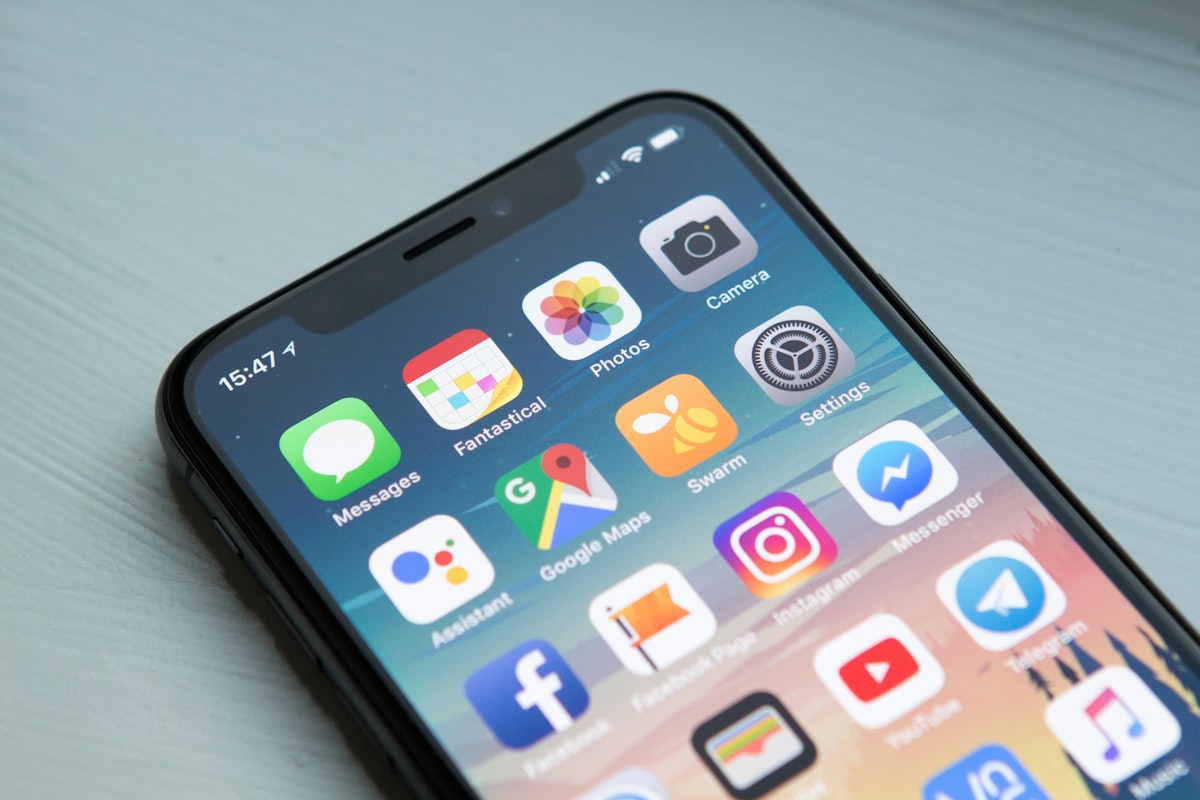
Not all text messages are created equal. A sermon follow-up text should feel personal, purposeful, and easy to engage with. Here's what makes a great one:
- Keep it short. Aim for 160 characters or fewer when possible. Think of it as a spiritual nudge, not a second sermon.
- Lead with Scripture. Referencing the passage from Sunday's message immediately reconnects the reader to the sermon.
- Ask a question. Something like, "What's one thing from Sunday's message you want to put into practice this week?" invites reflection without pressure.
- Include a next step. Link to sermon notes, a small group sign-up, or a devotional resource.
- Be warm and genuine. Write the way your pastor actually talks. People can spot a copy-and-paste corporate message instantly.
A Real-World Example
Imagine your pastor preached on Philippians 4:6-7 about anxiety and prayer. A follow-up text sent Monday at 9:00 AM might read:
"Hey [Name], remember Sunday's word on anxiety? This week, try pausing before worry and praying first. 'The peace of God will guard your hearts.' — Phil 4:7. We're praying for you!"
That takes 10 seconds to read. But it could be the difference between someone spiraling into a stressful Monday and someone pausing to pray.
Timing Matters
When you send your message is almost as important as what you send. Here's what many churches have found works well:
- Monday morning (8–10 AM): Recap the sermon's main point as the work week begins.
- Wednesday midweek: Share a deeper reflection question or devotional tied to the sermon.
- Saturday evening: Build anticipation for the upcoming Sunday message with a teaser or prayer prompt.
This rhythm creates a cadence of connection that keeps your congregation engaged with God's Word throughout the entire week — not just during the weekend service.
---
How Texting Strengthens Pastoral Care
Church sermon follow up texting isn't just a communication strategy — it's an extension of pastoral care. When someone receives a personal text from their church that references a message they sat under, it communicates something profound: You are known. You are remembered. You are part of this community. For more details, see Church Communication Software: What to Look for in 2026.
This is especially meaningful for:
- First-time visitors who may feel uncertain about whether they belong
- Members going through difficult seasons who need consistent encouragement
- Young adults who are more likely to engage digitally than through traditional channels
- People who attend irregularly and might otherwise drift away quietly
One mid-sized church in Tennessee reported that after implementing weekly sermon follow-up texts, their small group participation increased by 34% within six months. Why? Because the texts consistently included invitations to go deeper in community — and people responded.
---
Practical Steps to Get Started

If your church isn't using texting for sermon follow-up yet, the good news is that getting started is simpler than you might think. Here's a step-by-step approach:
- Choose a church-friendly texting platform. Look for a tool designed specifically for ministry contexts, one that understands the unique needs of church communication.
- Build your contact list with permission. Use connection cards, your church app, or sign-up forms to let people opt in. Consent is both a legal requirement and a trust-builder.
- Designate a point person. This could be the pastor, a communications director, or a trusted volunteer. Someone needs to own the process each week.
- Create a simple template. Having a basic structure — Scripture + reflection + next step — makes weekly execution sustainable.
- Review and refine. Pay attention to engagement. Are people responding? Clicking links? Showing up to the events you mention? Let the fruit guide your approach.
---
Avoiding Common Pitfalls
As powerful as texting can be, there are a few mistakes churches should watch out for:
- Sending too many messages. If people feel bombarded, they'll opt out. Two to three texts per week is a healthy maximum for most congregations.
- Being too generic. "Hope you had a great Sunday!" is nice, but it doesn't connect to anything specific. Always tie your message back to the sermon or a particular Scripture.
- Forgetting to segment. A first-time visitor and a 20-year member have very different needs. If your platform allows it, tailor your messages to different groups within your congregation.
- Neglecting the personal touch. Whenever possible, use first names. Even small personalization makes a text feel less like a broadcast and more like a conversation.
- Ignoring replies. If someone responds to your text — and they will — make sure a real person is ready to engage. Nothing undermines trust faster than a message that goes into a void.
---
The Theological Heart Behind the Practice
Some church leaders wonder if texting feels too "techy" or impersonal for ministry. It's a fair concern. But consider this: the apostle Paul wrote letters to churches he couldn't visit in person. Those letters were his way of following up on what he had taught, correcting misunderstandings, and encouraging believers to keep living out the gospel.
Texting is simply the modern letter. The medium has changed, but the heart behind it hasn't. When you send a text that says, "We haven't forgotten about you, and neither has God," you're doing the same work Paul did — shepherding from a distance, pointing people back to Christ.
Church sermon follow up texting, at its best, is an act of love. It says to your congregation: the message didn't end when the benediction was spoken. God's Word is living and active, and we want to help you carry it into every corner of your week.
---
Building a Culture of Ongoing Engagement
The most effective churches don't treat texting as an isolated tactic. They weave it into a broader culture of ongoing congregation engagement. Sermon follow-up texts work best when they connect to:
- Small group discussions that go deeper into Sunday's passage
- Daily devotional content that members can access through your church's platform
- Prayer requests and check-ins that flow naturally from the sermon's theme
- Service and volunteer opportunities that allow people to live out what they've learned
When texting becomes part of a holistic approach to church communication, it stops being "just another message" and starts becoming a thread that ties your entire ministry together. People begin to experience church not as a once-a-week event, but as a continuous, life-giving relationship with God and His people.
---
Take the Next Step with Christ Unites
If you've been looking for a way to deepen your church's follow-up after sermons and keep your congregation connected throughout the week, you're not alone. Thousands of churches are discovering that thoughtful, consistent church sermon follow up texting transforms the way their communities grow and stay rooted in God's Word. For more details, see Church SMS Alerts: How to Keep Your Congregation Informed.
Christ Unites was built to help churches do exactly this. Our platform makes it easy to send meaningful, personalized follow-up messages that extend the reach of your Sunday sermon into the rest of the week. Whether you're a church of 50 or 5,000, we'd love to help you care for your people more effectively.
Visit joinchristunites.com to learn how your church can start building stronger connections — one message at a time.
Because the Word preached on Sunday was never meant to stay there. It was meant to take root, grow, and bear fruit in every life it touches.